Cusco
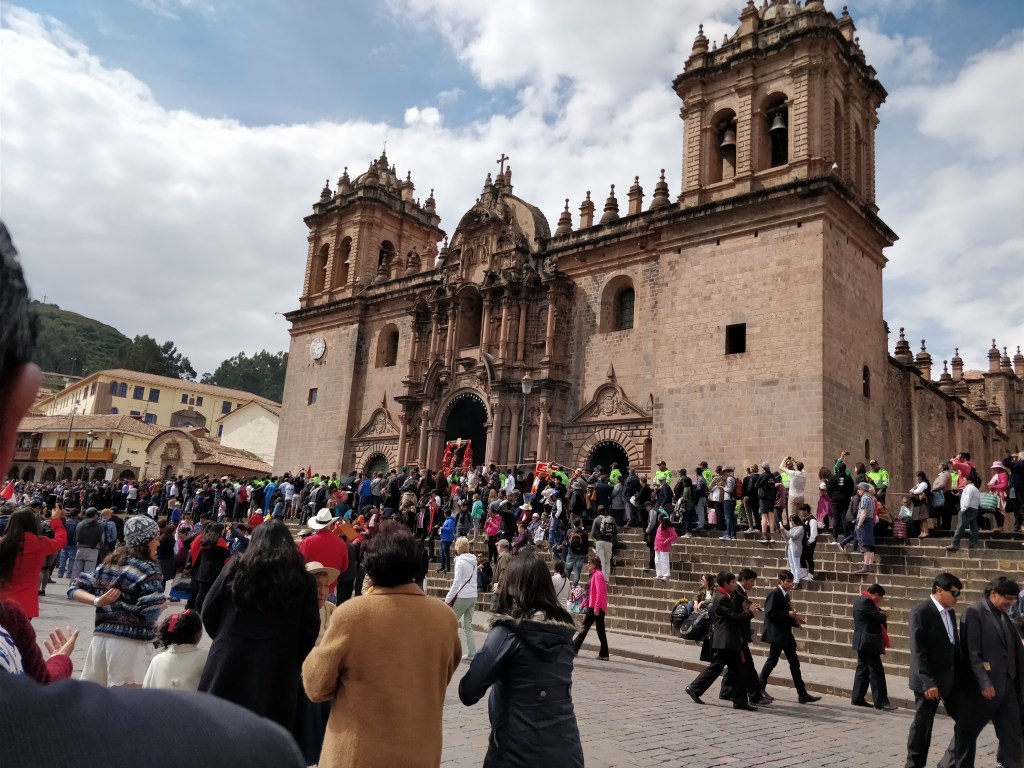
Prior to Bolivia and Uyuni, I spent some time in the old capital of the Inca Empire. Landing in the quiet city of Cusco after being in a big city like Lima was a bit of a culture shock even though I never left Peru. The historical old town is beautiful and full of Incan architecture that and learned a lot about my personal limitations as well as atmospheric limitations.
Altitude Sickness
Sitting pretty at an elevation of 3,400 m above sea level, as of arriving, that was the highest I’d ever been (soon to get beaten out by Uyuni and the Eduardo Avaroa Andean Fauna National Reserve by another 2,000 m).
Altitude sickness normally starts after 1,500 – 2,000 m as oxygen levels start to decrease, though for some, they may never experience any symptoms at all. I wasn’t one of those. Some immediate symptoms I experienced were noticeably shallower breathing, sped up pulse, and I was a bit light headed.
Dealing with the Sickness
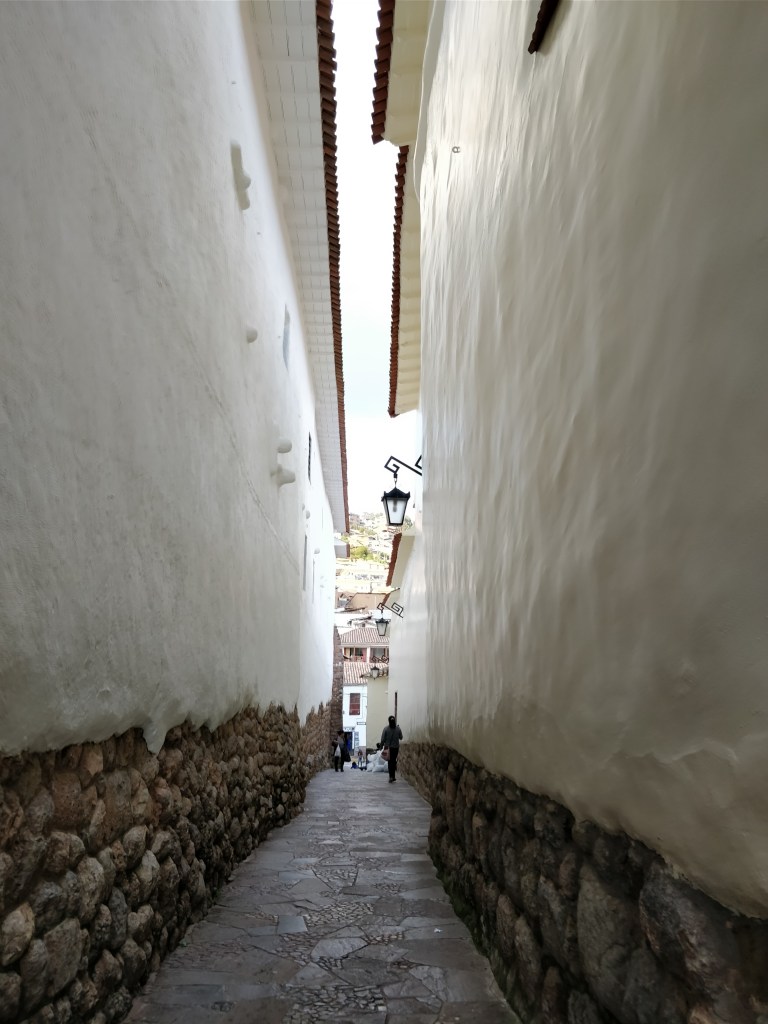
Here’s what you shouldn’t do: be like me and immediately take off running, looking for the best sites and museums. Take your time and acclimatize. If you have the opportunity, ascend slowly by car or by bus. If you have a tight schedule and fly in like me, take a day to just chill. The city’s full of steep walkways, uneven stairs, and rocky pavement so find a café enjoy the atmosphere. Also, make sure you drink plenty of fluids, eat less, and invest in either coca leaves or candy.
Severe Sickness
If symptoms are more severe, consider taking medication or finding an oxygen tank. If it’s debilitating, you should seek medical attention (dial 133 or find the emergency numbers listed here).

