Featured

About Me

Who am I?

I am an avid traveller from Vancouver, Canada. My journey began right after high school when I went on a trip to Asia and I’ve been making a point of travelling at least once every year since—occasionally living in countries for months at a time. Below is a map of some of the major places I’ve been so far:
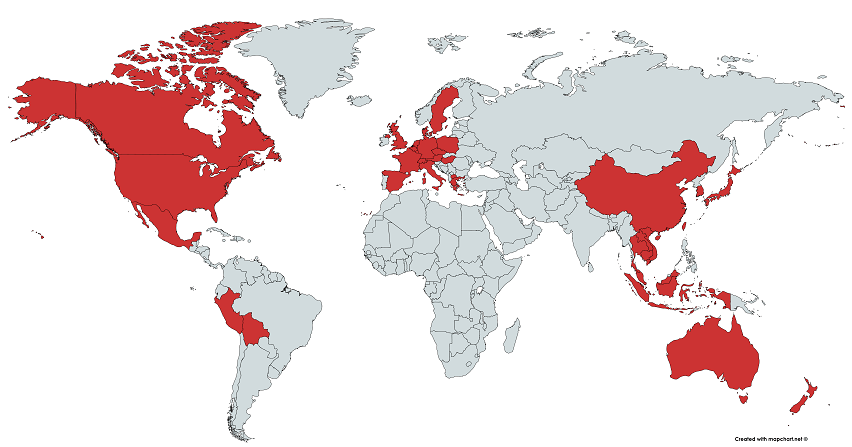
A world map of the countries I've travelled to.
A world map of the countries I’ve travelled to.

Travelling Style

My preferred style of visiting countries is backpacking. This generally means travelling light, staying in hostels, and meeting other travellers along the way. However, as of recently, having made friends around the globe, I have taken to visiting them and crashing on their couches. As well, in places where safety is questionable, joining tours or staying at well-established hotels has become a go-to for me.

Future Plans

Because visiting all 193 countries in the world seems a rather lofty goal, I’ve pared it down to visiting every continent in the world including Antarctica (for now). So far, I’m five in and missing Africa and Antarctica. But, my next trip will be to Egypt and Jordan very shortly in the winter, which will put me one step closer to my goals.

Another item on my to-do list is to ride the Trans-Siberian Railway from Moscow to Beijing.
In the Heights

Cusco

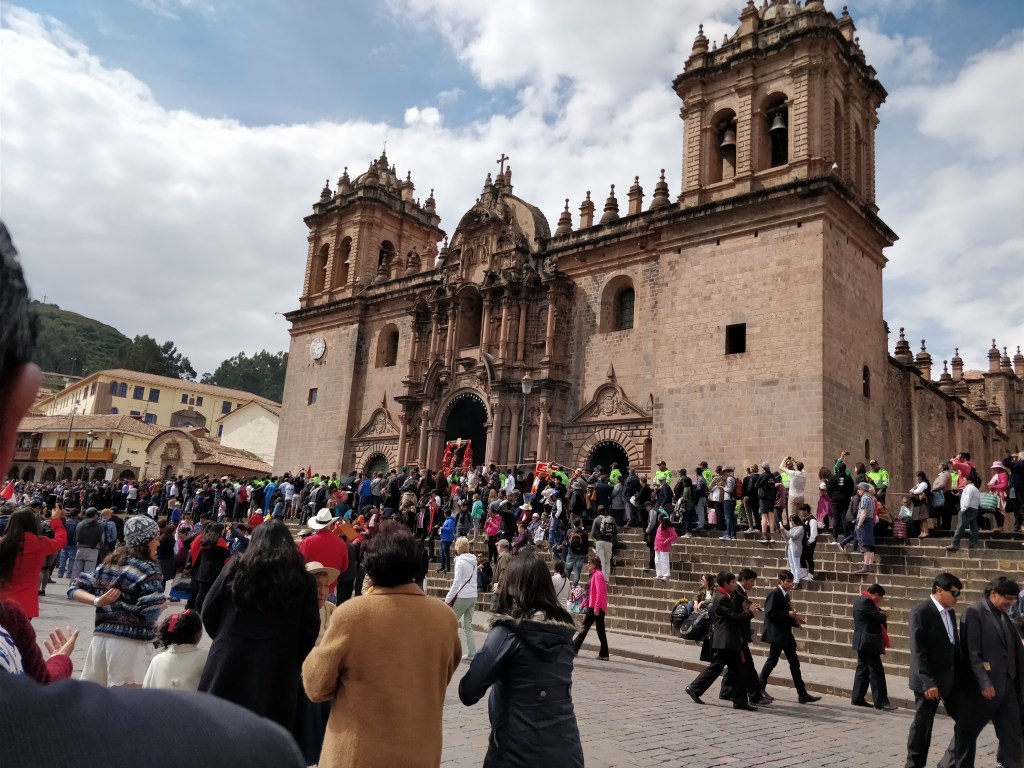
Prior to Bolivia and Uyuni, I spent some time in the old capital of the Inca Empire. Landing in the quiet city of Cusco after being in a big city like Lima was a bit of a culture shock even though I never left Peru. The historical old town is beautiful and full of Incan architecture that and learned a lot about my personal limitations as well as atmospheric limitations.

Cusco Cathedral during mass in la Plaza de Armas.

Altitude Sickness

Sitting pretty at an elevation of 3,400 m above sea level, as of arriving, that was the highest I’d ever been (soon to get beaten out by Uyuni and the Eduardo Avaroa Andean Fauna National Reserve by another 2,000 m).

Altitude sickness normally starts after 1,500 – 2,000 m as oxygen levels start to decrease, though for some, they may never experience any symptoms at all. I wasn’t one of those. Some immediate symptoms I experienced were noticeably shallower breathing, sped up pulse, and I was a bit light headed.

Dealing with the Sickness

Here’s what you shouldn’t do: be like me and immediately take off running, looking for the best sites and museums. Take your time and acclimatize. If you have the opportunity, ascend slowly by car or by bus. If you have a tight schedule and fly in like me, take a day to just chill. The city’s full of steep walkways, uneven stairs, and rocky pavement so find a café enjoy the atmosphere. Also, make sure you drink plenty of fluids, eat less, and invest in either coca leaves or candy.

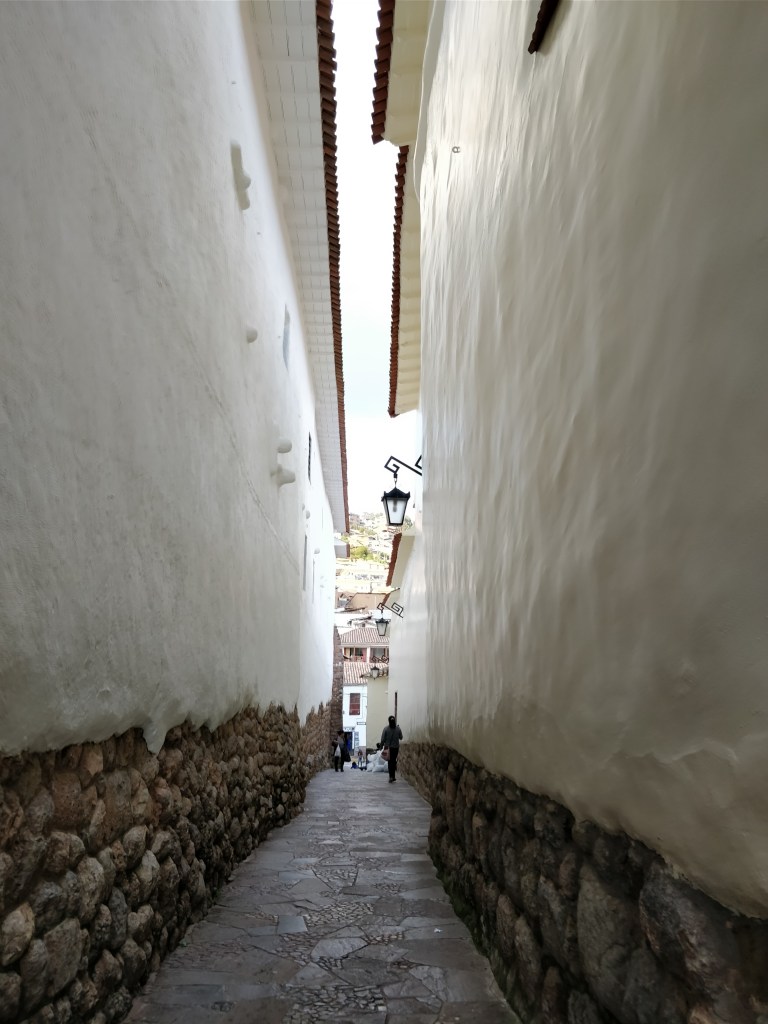
Steep and narrow walkway in Cusco's old town.
Steep and narrow walkway in Cusco’s old town.

Severe Sickness

If symptoms are more severe, consider taking medication or finding an oxygen tank. If it’s debilitating, you should seek medical attention (dial 133 or find the emergency numbers listed here).

For More Information on Altitude Sickness

Healthlink BC
Culture Trip
Machu Picchu Trek Guide

Back to the Future

Kansai

Best known for Osaka, Kyoto, and Nara, Kansai is the southern-central region of Japan that boasts of good food and warm people. Having been there multiple times, I can confirm this to be true. However, besides the food and drink, one thing I appreciate about Japan is that you can always find something new—but also something old.

First Capital

Before there was Tokyo, there was Kyoto, and before Kyoto, there was Nara. As the first permanent capital of the country, Nara is now known as the place full of shrines and sacred deer you can feed. A short train ride from Kyoto or Osaka, Nara’s major attractions are all within walking distance from the station. Here, you can visit some of the oldest temples and monuments in the country. The city was named as a UNESCO World Heritage Site in 1998, and if you go at the right time, you can still partake in traditional festivals that span back centuries.

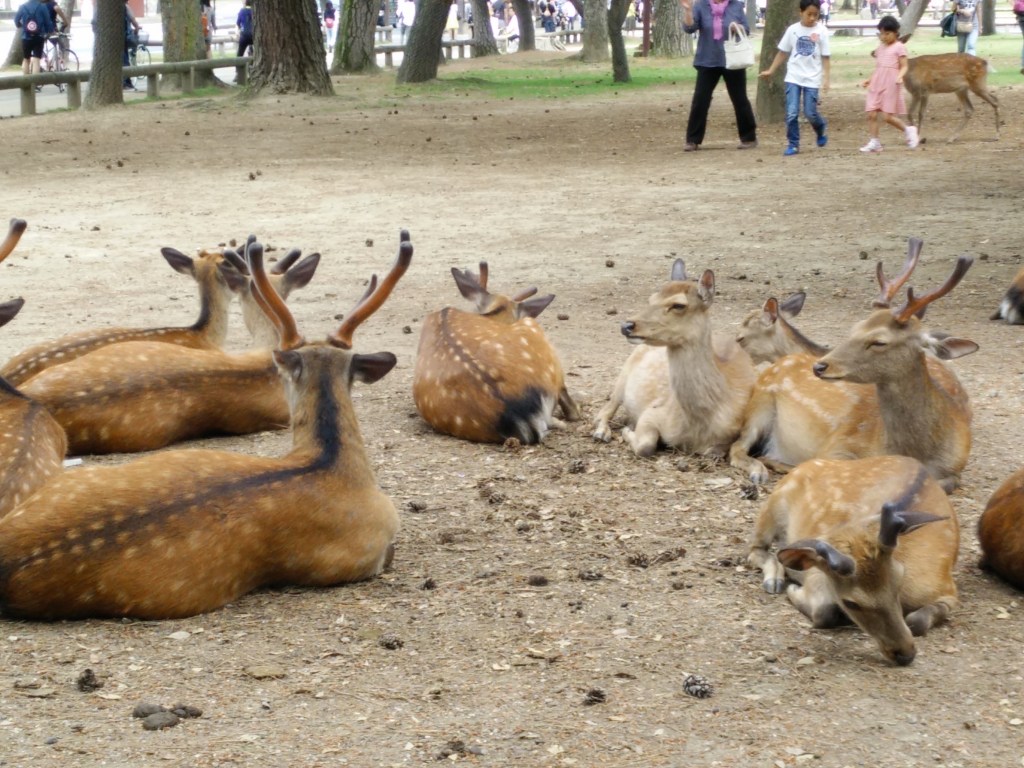
(And of course feed the deer)

Sacred deer living in Nara.

Kansai Castles

There are many famous castles in Japan and many of them are in Kansai. From the modern museum of Osaka Castle to the carefully preserved Himeji Castle, you can learn and see what life was like for the upper echelons of Japanese nobility in the past. If you have the time and a tourist rail pass, visit as many of these as you can! They’re all within walking distance of rail stations, and each site has a unique story to be told.

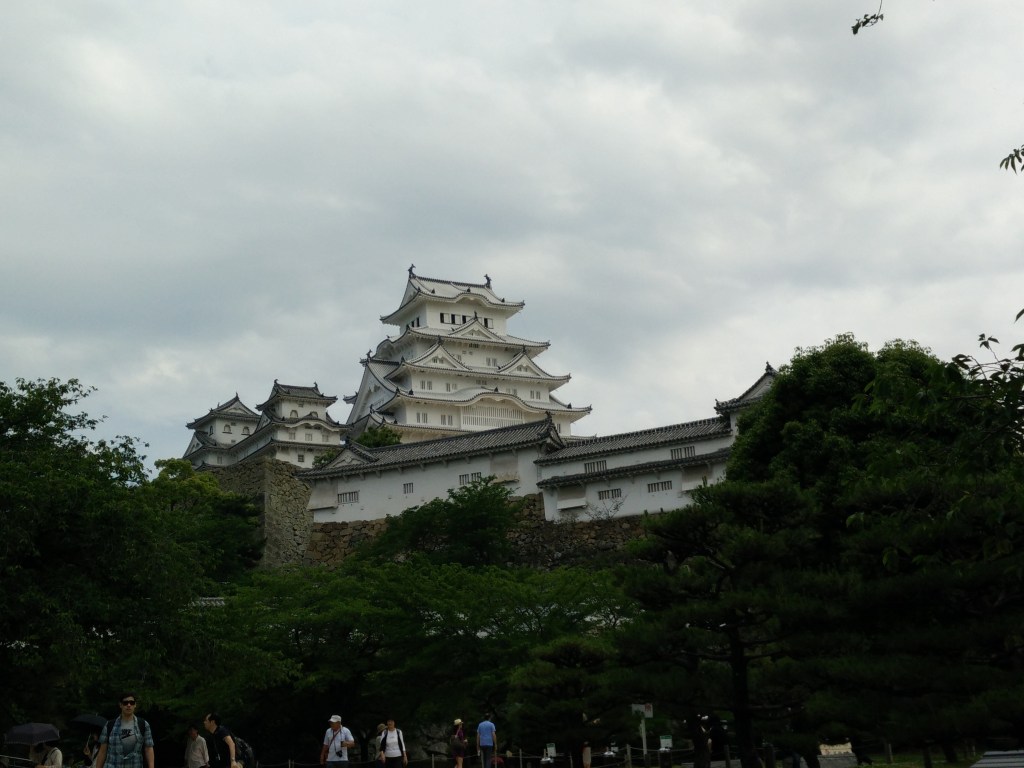
Himeji Castle, sometimes known as  "White Heron Castle" for its elegant white walls.
Himeji Castle, sometimes known as “White Heron Castle” for its elegant white walls.

A Moment of Reflection

Uyuni

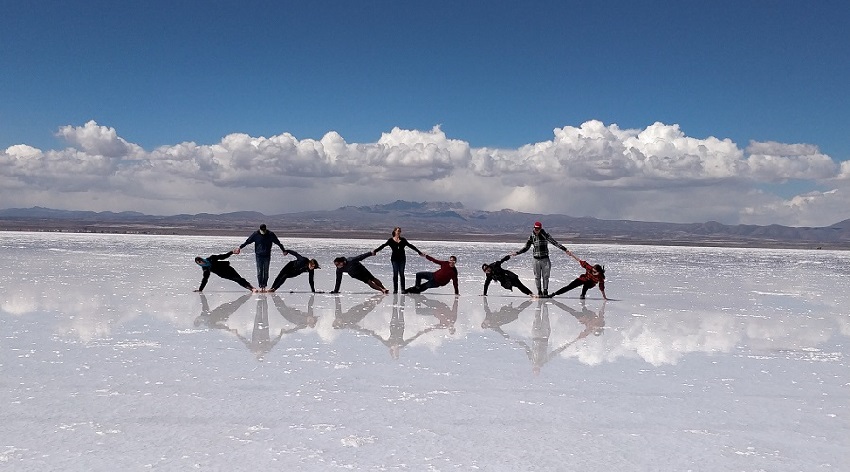
Uyuni is a small city in southwest Bolivia. Sitting 3,700 m above sea level, for many, it’s the first stop to visiting the Salar de Uyuni. Also known as the world’s largest salt flat, the Salar is also the world’s largest reflective surface when the conditions are right.

The salt flats of Uyuni, also known as the world's largest reflective surface.
The salt flats of Uyuni, also known as the world’s largest reflective surface.

Getting There

By Plane

There are various options for getting to Uyuni. Those that can afford to fly out will do so from La Paz, Sucre, or Rurrenabaque. From there, it’s a short ride into town. For some who are on a time-crunch or are part of a multi-country tour, this may be your best option or is already included in your tour package.

By Bus

The most affordable method, however, is to take an overnight bus from either La Paz or Sucre. A round-trip can cost approx. $100 CAD but includes reclining seats, toilets on board, blankets, meals and drinks, and heating. They depart at night and the journey takes approximately 10 hours.

Some busses will stop in the early morning for sunrise photo, and once you get into town, those who have already booked tours ahead of time will be escorted to a waiting area while everyone else is free to wander about.

For overnight busses, I would recommend Todo Turismo. Their service was great and the bus was comfortable and clean. Sure, we watched Daddy’s Home 2 on loop, but overall? It didn’t feel like a 10 hour bus ride at all.

Down Down Under

Tasmania

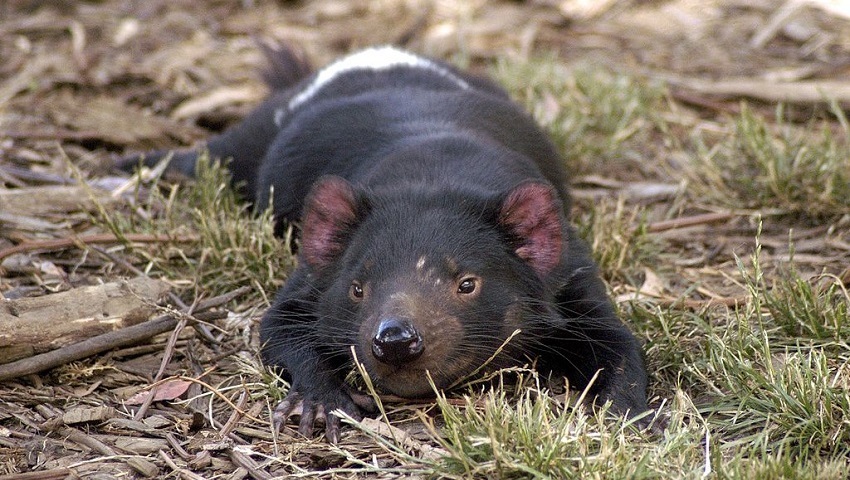
In the very southern peak of Australia, there’s an island state called Tasmania. After spending months in Queensland in the sweltering heat, the drop in temperature in Tasmania was a welcomed change. This place has some of the most interesting geographical features found in the country. More than that, the abundance of unique wildlife that crops up here is astounding. From the extinct Tasmanian Tiger to the endangered Tasmanian Devil, these are just a few of the fauna that are found solely in Tasmania.

A Tasmanian Devil lying on its belly.

White Wallabies

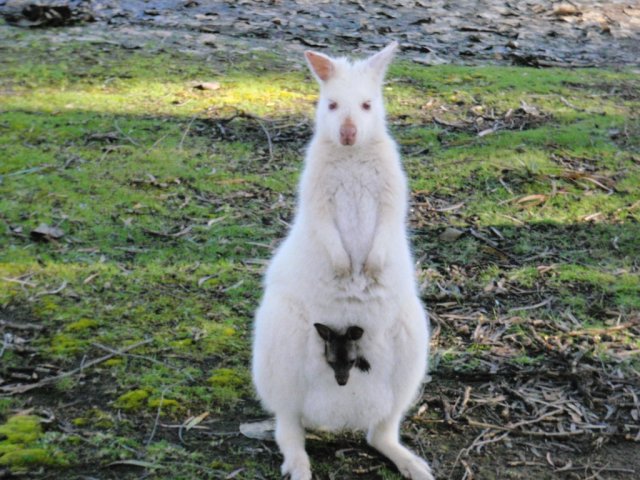
Another unique creature that resides in Tasmania is the white wallaby of Bruny Island. Wallabies are the small, gentle cousin of the kangaroo, and thanks to a genetic abnormality, the wallabies on Bruny Island are snowy white and adorable. Currently, there are over 200 of these little guys living on the island.

White wallaby with a brown joey in its pouch.

Getting There

Bruny Island is a short drive from Hobart. You will have to take a ferry over to Adventure Bay, but the journey shouldn’t take more than an hour. For those without cars, there are plenty of local tours that will take you around Tasmania, including a quick cruise around Bruny Island. Once there, keep your eyes peeled and chances are, you’ll find some of these white wallabies lazing about.

Cross-Country Canada

Via Rail

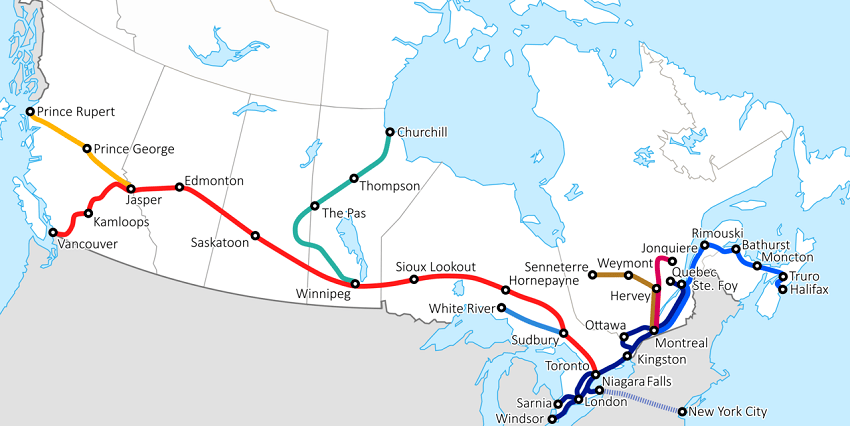
Via Rail is a passenger train that runs across majority of Canada, spanning as far as Halifax to the east and Prince Rupert to the west. They operate hundreds of trains every week and has a decent track-record for punctuality.

A map of Via Rail's routes going across Canada.
A map of Via Rail’s routes going across Canada.

Seating Classes

Although it is not the fastest or most affordable way to travel around Canada, it’s definitely a good way to see the country at a leisurely pace. I would only recommend doing any long-distance travelling on the train if you have at least a sleeper bunk because otherwise, you will only have an economy seat to sleep on and meals are not provided.

Tip:

The good news is that Via Rail often has deals and discounts for those who either book well in advance or at the very last minute. The price range will still be upwards of $700 CAD at 50% off, but the amenities you’ll be given is well worth it. Also, compared to the outrageous prices of domestic flights in Canada, it’s fairly reasonable.

Toronto to Vancouver

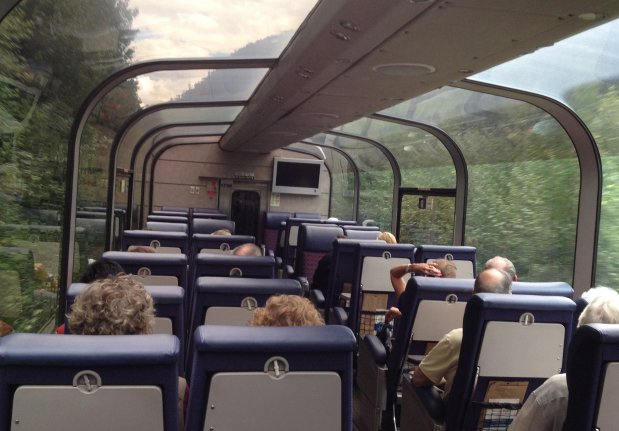
The trip I took from Toronto to Vancouver was a 4-day journey by rail. If you go in the late summer like I did, you get to roll past the majestic lakes of Ontario, the endless wheat fields of the prairies, and the breathtaking Rockies. There are pit stops in some the larger cities such as Saskatoon, Winnipeg, and Banff. The highlight of the trip is definitely going through Banff National Park in the dome roof carriage, which gives you the chance to admire the park and its wildlife in the comfort of a train with a hot drink in your hand.

The dome roof carriage on Via Rail.
Design a site like this with WordPress.com
Get started